Slovakia's first university quantum computer is at FRI UNIZA
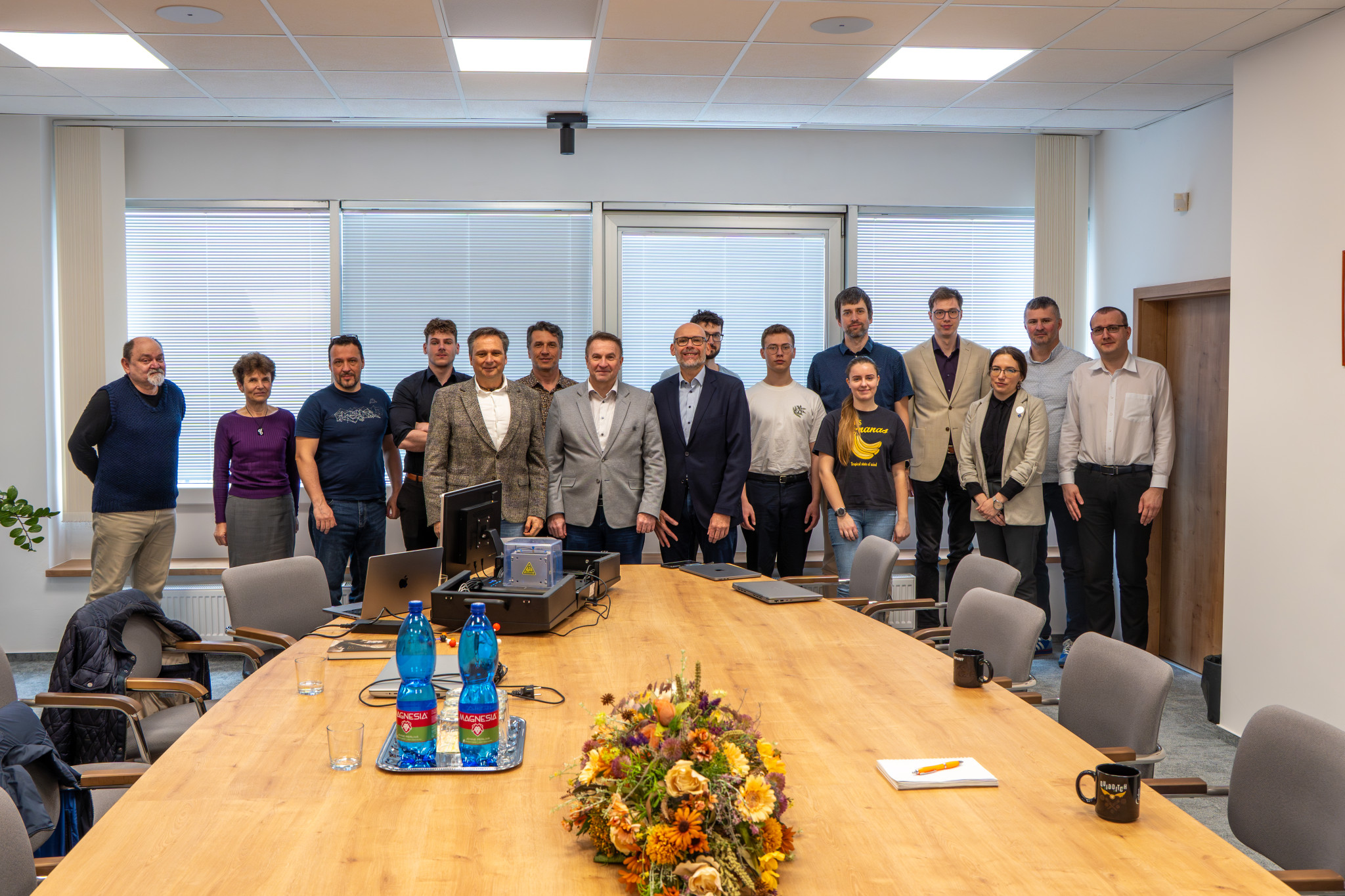
Our faculty has acquired a piece of technology that students in Slovakia have previously encountered mainly in theory or through simulators. FRI UNIZA has the first physical quantum computer in the Slovak academic sphere, intended for teaching students and conducting basic research. Our technology partner is Aricoma, which collaborates with the faculty on the development of quantum technologies.
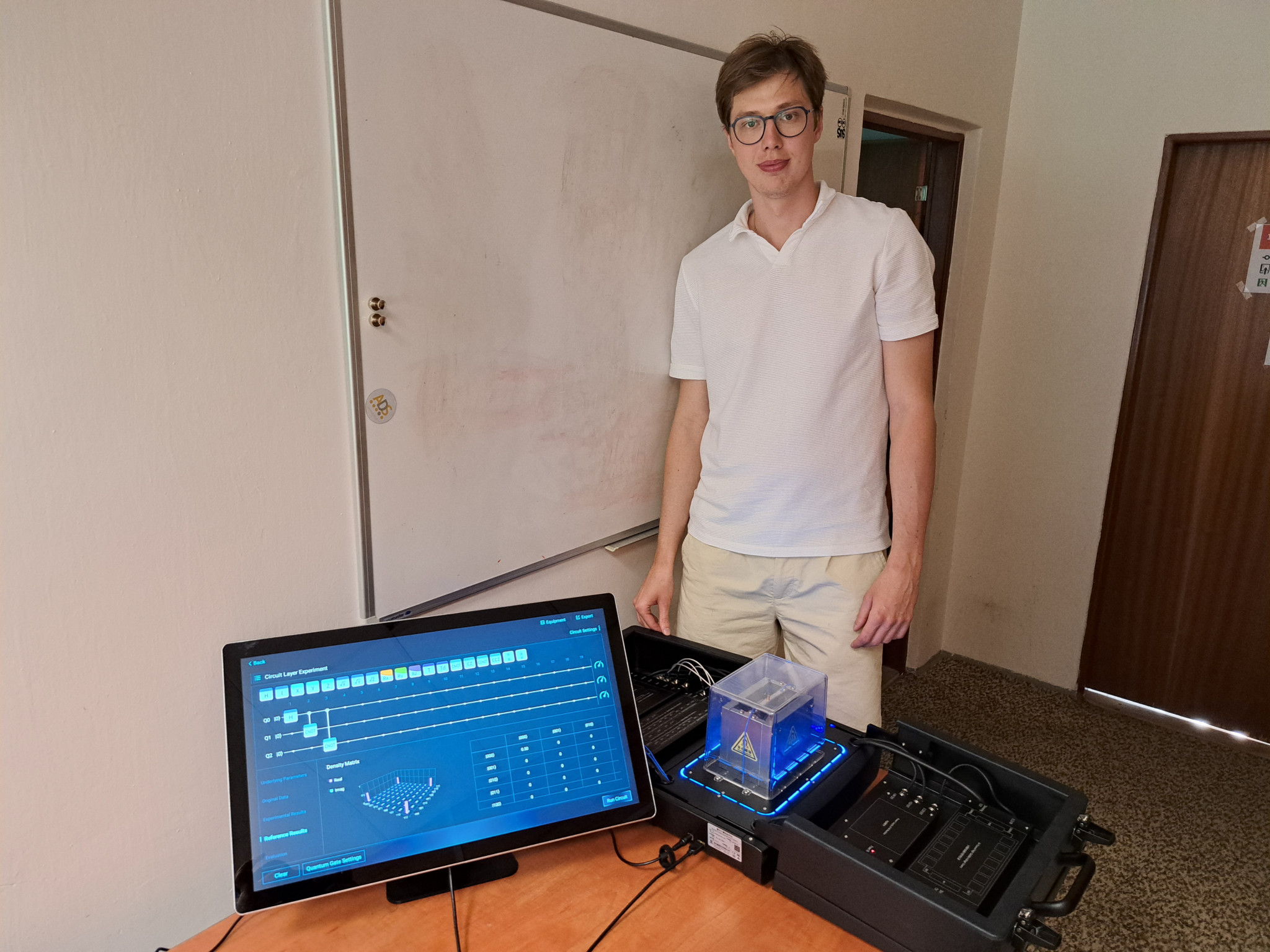
The device is the SPINQ Gemini Lab, designed primarily for education, experimentation, and practical understanding of the fundamental principles of quantum computing. For our students, this means that they will not only learn about quantum computing through presentations, lecture notes, or simulators, but also by working with a real quantum computer.
Quantum computing is one of the fields that bridges computer science, mathematics, physics, and new approaches to algorithmic thinking. Quantum computers do not replace conventional computers, but are designed for specific types of tasks where they may offer new possibilities in the future—for example, in optimization, simulations, or secure communication.
For the FRI UNIZA, it is important that new technologies are also integrated into teaching. The faculty’s goal is to prepare students for technological developments that are already affecting Slovakia today.
“We are preparing a new specialization in quantum informatics, which will include courses focused on quantum computing and quantum algorithms,” stated the dean of the faculty, Prof. Ing. Emil Kršák, PhD.
According to the Vice Dean for Science and Research, Assoc. Prof. Ing. Miroslav Kvaššay, PhD, the greatest value of the new equipment lies precisely in the ability to work with real hardware. “Our quantum computer provides an opportunity to program and explore quantum algorithms on physical hardware. Our goal is to prepare graduates who can work with revolutionary technologies that will significantly shape the future of humanity in the coming years,” says the vice dean.
The SPINQ Gemini Lab uses nuclear magnetic resonance technology, allowing it to operate at room temperature and making it suitable for demonstrating the principles of quantum computing directly in the classroom. Students will be able to try their hand at designing quantum circuits, working with quantum gates, and evaluating measurement results.
Working with a quantum computer also involves understanding that quantum computation works differently from classical computation. The result is not always deterministic, but probabilistic. This is precisely why hands-on experience with the device is important—students can better understand what superposition, quantum entanglement, or quantum state measurement mean.
Ph.D. candidate Ing. Tomáš Sobek, who specializes in quantum computing, is already actively working with the hardware. “Quantum computers represent one of the most exciting areas of contemporary science, and I’m glad I can pursue this field right here at our faculty. We are getting closer to a technology that may find a way to solve problems that have so far been intractable. What fascinates me most about this is the completely different approach to computation compared to today’s known technologies, which also allows us to glimpse the very essence of nature. “I believe this technology will open the door to discoveries in the future that we can’t even imagine today,” explains Tomáš.
The faculty is already preparing courses and teaching activities that will be based on this equipment. In the coming academic year, it is expected that students will be able to design their own experiments, run them on the device, and subsequently analyze the results.
Acquiring a quantum computer is a significant step for FRI UNIZA in modernizing computer science education. For students, it represents an opportunity to gain access to technology that will become increasingly important in science, industry, and digital security in the coming years.
FRI UNIZA thus continues what has long been characteristic of the faculty—providing students with technologies that enable them to learn through hands-on experience, experiment, and prepare for the future of computer science.