The International Workshop on EWALD: Earth Observation for Early Warning of Land Degradation at the European Frontier
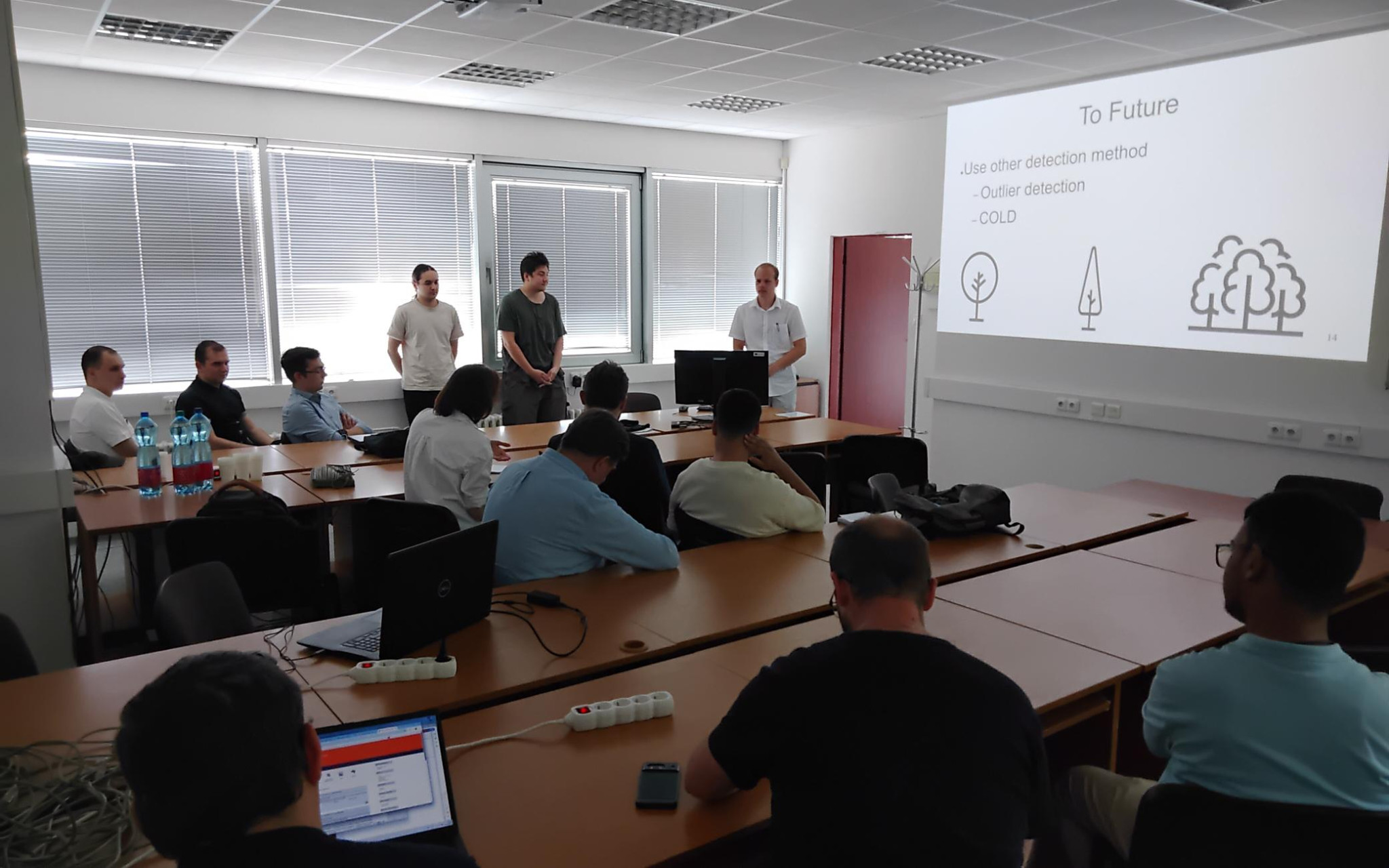
Land degradation is the world’s greatest environmental challenge, affecting ecosystems, agriculture, and human well-being. Intensified by natural disasters and desertification, land degradation can pose significant risks and lead to socioeconomic tensions. Information technology is one of the most promising tools for observing and mitigating such effects. Representatives of the University of Žilina, in cooperation with colleagues from Cadi Ayyad University (Morocco), the ECOMM research enterprise, and the Scientific Center for Aerospace Research of the Earth (Ukraine), organized the Third International Workshop on Earth Observation for Early Warning of Land Degradation at the European Frontier (EWALD). This EWALD workshop was held on June 8, 2026, and was attended by nearly 20 participants.
The International Workshop on EWALD is organized with the support of the project of the same name, which has received funding from the European Union’s Framework Programme for Research and Innovation Horizon Europe (2021–2027) under Grant Agreement No. ID 101086250. The workshop also builds on ideas and results from the project "Development of a New Approach for Reliability Analysis and Risk Assessment Based on Artificial Intelligence" (Reg. No. APVV-23-0033), funded by the Slovak Research and Development Agency.
This EWALD workshop provided a platform for discussing current trends in early warning systems, responses to land degradation, and innovative geoinformation frameworks and solutions.
The next key objective of the workshop was to improve the presentation skills of young researchers and to help them establish and expand international contacts and cooperation with potential foreign co-advisors. We believe the workshop has been useful for building and broadening international networks and for creating collaborative opportunities for early-career researchers.
Results of the EWALD project were presented during the workshop, and young researchers delivered lectures on their ongoing research. We are confident that this workshop will prove useful for building and broadening international cooperation.
We believe that participation in the EWALD workshop has increased the potential of young researchers from universities and organizations in the EU, Morocco, and Ukraine. We plan to continue organizing this workshop in the future.